Your Guide to Eco Friendly Home Renovations for Sustainable Living
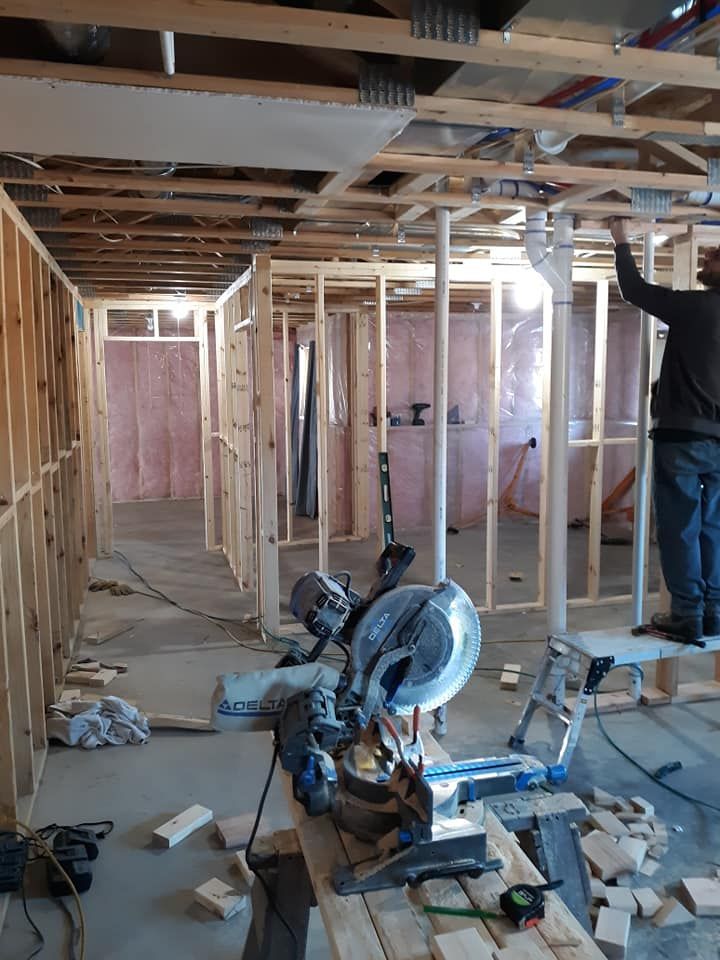
Table of Contents
- Introduction
- Why Eco Friendly Home Renovations Matter
- Planning a Sustainable Home Remodeling Project
- Energy-Efficient Home Upgrades That Reduce Consumption
- Choosing Sustainable Materials
- Improving Insulation and Building Performance
- Water Conservation Strategies for the Home
- Indoor Air Quality and Health Considerations
- Understanding Costs, Limitations, and Long-Term Value
- Conclusion
- Book a General Contracting Consultation
- Frequently Asked Questions
Key Takeaways
- Eco friendly home renovations focus on reducing environmental impact while improving energy and water efficiency.
- Sustainable home remodeling involves thoughtful planning, material selection, and long-term performance considerations.
- Energy-efficient home upgrades such as insulation, windows, and HVAC improvements can reduce resource use.
- Water-saving fixtures and landscaping strategies help conserve local water resources.
- Careful budgeting and professional guidance support informed, responsible renovation decisions.
Introduction
Eco friendly home renovations are upgrades designed to reduce environmental impact by improving energy efficiency, conserving resources, and using sustainable materials. For homeowners in Sioux Falls, SD, these improvements can support long-term home performance while aligning with environmentally responsible living.
Many suburban homes built 10–20 years ago were constructed before modern efficiency standards became common. As a result, heating, cooling, insulation, and water systems may not operate as efficiently as they could. Through sustainable home remodeling, we can address outdated systems, improve comfort, and reduce unnecessary energy and water consumption. In this guide, we explain practical strategies, considerations, and limitations so homeowners can make informed decisions when planning eco friendly home renovations.
Why Eco Friendly Home Renovations Matter
Eco friendly home renovations go beyond aesthetics. They address how a home uses energy, water, and materials throughout its lifespan.
Environmental Responsibility
Residential buildings account for a significant portion of energy use in the United States. By improving insulation, upgrading systems, and choosing sustainable materials, we can reduce household energy demand and limit environmental strain.
Long-Term Resource Efficiency
Sustainable home remodeling prioritizes durability and performance. Instead of replacing materials frequently, we focus on long-lasting products that reduce waste over time.
Local Relevance in Sioux Falls, SD
In Sioux Falls, seasonal temperature extremes increase heating and cooling demands. Energy-efficient home upgrades can help reduce strain on HVAC systems during cold winters and warm summers. This is particularly relevant for families seeking stable indoor comfort year-round.
Planning a Sustainable Home Remodeling Project
Effective eco friendly home renovations begin with careful planning.
Assessing Current Conditions
Before making upgrades, we evaluate:
- Insulation levels
- Window performance
- HVAC efficiency
- Water usage patterns
- Existing material conditions
An energy audit can provide measurable data to guide decision-making.
Setting Practical Goals
Common goals include:
- Reducing monthly utility usage
- Improving comfort
- Updating outdated spaces
- Increasing functional living areas
Clear goals help determine which sustainable home remodeling strategies are appropriate.
Working With a General Contractor
Coordinating structural improvements, insulation upgrades, and system replacements often requires professional oversight. Through general contracting services, projects such as basement remodeling or home additions can integrate energy-efficient home upgrades into the broader renovation plan.
Energy-Efficient Home Upgrades That Reduce Consumption
Energy-efficient home upgrades are central to eco friendly home renovations.
High-Performance Windows and Doors
Modern windows with low-emissivity (Low-E) coatings and insulated frames reduce heat transfer. Proper sealing also prevents drafts and air leakage. While replacement requires upfront investment, improved thermal performance can reduce heating and cooling demand.
Efficient HVAC Systems
Older furnaces and air conditioners often operate at lower efficiency levels. Newer systems may use less energy while maintaining consistent indoor temperatures. It is important to size HVAC systems correctly. Oversized systems can cycle too frequently, reducing efficiency.
LED Lighting
LED bulbs use less electricity and last longer than traditional incandescent bulbs. Lighting upgrades are one of the simplest energy-efficient home upgrades available.
Smart Thermostats
Programmable or smart thermostats help regulate temperature schedules based on occupancy. This supports more consistent energy management without manual adjustments.
Choosing Sustainable Materials
Material selection plays a major role in sustainable home remodeling.
Reclaimed and Recycled Materials
Reclaimed wood, recycled metal, and repurposed materials reduce demand for new raw resources. These materials are often used in flooring, cabinetry, and accent features.
Low-VOC Products
Volatile organic compounds (VOCs) found in paints, adhesives, and finishes can affect indoor air quality. Low-VOC alternatives help reduce indoor air pollutants.
Durable Flooring Options
Sustainable flooring options include:
- Bamboo
- Cork
- Engineered hardwood
- Recycled tile
Durability is key. Long-lasting materials reduce replacement frequency and associated waste.
Improving Insulation and Building Performance
Insulation directly impacts energy use.
Attic and Wall Insulation
Insufficient insulation allows heat to escape during winter and enter during summer. Adding or upgrading insulation improves thermal stability. In Sioux Falls, where winters are cold, proper attic insulation is particularly important.
Air Sealing
Air leaks around doors, windows, and penetrations reduce efficiency. Sealing these gaps supports consistent indoor temperatures.
Basement Insulation
For homes with unfinished or partially finished basements, insulation improvements can enhance comfort and reduce heating demands. When remodeling basements, insulation planning should be integrated early in the process.
Water Conservation Strategies for the Home
Eco friendly home renovations also address water use.
Low-Flow Fixtures
Low-flow toilets, faucets, and showerheads reduce water consumption without significantly affecting functionality.
Efficient Appliances
Modern dishwashers and washing machines use less water and energy compared to older models.
Landscaping Considerations
Outdoor water use can be reduced through:
- Native plant selection
- Efficient irrigation systems
- Mulching to retain soil moisture
Water conservation supports both environmental sustainability and responsible resource management.
Indoor Air Quality and Health Considerations
Sustainable home remodeling should account for indoor air quality.
Proper Ventilation
Tightly sealed homes require balanced ventilation systems to maintain fresh air circulation. Without proper airflow, moisture and pollutants can accumulate.
Moisture Management
Basements and additions must be properly waterproofed and ventilated to prevent mold growth.
Material Transparency
Understanding product composition supports healthier material choices. Reviewing manufacturer documentation helps identify potential chemical concerns.
Understanding Costs, Limitations, and Long-Term Value
Eco friendly home renovations require balanced expectations.
Initial Investment
Energy-efficient home upgrades often involve higher upfront costs. However, durability and reduced resource use may offset expenses over time.
Return on Investment
Not all sustainable upgrades provide immediate financial returns. Some benefits are environmental or comfort-related rather than strictly monetary.
Project Scope
Combining efficiency upgrades with larger renovations—such as basement remodeling or home additions—can reduce disruption and improve coordination.
Local Climate Considerations
In Sioux Falls, SD, insulation and heating efficiency may provide greater impact compared to solar installations in areas with higher sun exposure. Evaluating local conditions is essential.
Conclusion
Eco friendly home renovations are structured improvements designed to reduce environmental impact while improving energy and water efficiency. Through sustainable home remodeling and energy-efficient home upgrades, homeowners can address outdated systems, improve insulation, and make informed material choices.
For families living in established suburban homes, thoughtful renovation planning supports long-term performance and responsible resource use. By understanding both the benefits and limitations, we can approach renovations with clarity and realistic expectations.
Book a General Contracting Consultation
If you are considering eco friendly home renovations in Sioux Falls, SD, we can provide structured guidance through our general contracting services at Home Improvement Headquarters.
We help homeowners evaluate existing conditions, review sustainable home remodeling options, and plan energy-efficient home upgrades that align with their goals and budget. For guidance on hiring a general contractor or understanding project planning, send us an email at brandenjohns@rocketmail.com or call us at (605) 413-5450 to learn more about our services.
Our focus is on providing clear information so you can make informed renovation decisions.
Frequently Asked Questions
What qualifies as eco friendly home renovations?
Eco friendly home renovations include upgrades that reduce energy use, conserve water, improve insulation, and use sustainable materials. The goal is to reduce environmental impact while maintaining home functionality.
Are energy-efficient home upgrades expensive?
Some energy-efficient home upgrades require higher upfront investment. Costs vary depending on scope, materials, and system replacements. Long-term efficiency and durability are important considerations.
Can sustainable home remodeling be done in stages?
Yes. Many homeowners choose to phase improvements over time. For example, insulation upgrades may be completed first, followed by window replacement or HVAC improvements later.
Do eco friendly renovations work in colder climates like Sioux Falls?
Yes, particularly insulation improvements, air sealing, and high-efficiency heating systems. Climate-specific planning ensures upgrades align with local weather patterns.
How do we know which upgrades are appropriate for our home?
An energy assessment or consultation with a qualified general contractor can help identify areas of inefficiency and prioritize practical improvements based on the home's condition and goals.
Related Posts