What Should You Do After Storm Damage Repair in Sioux Falls?
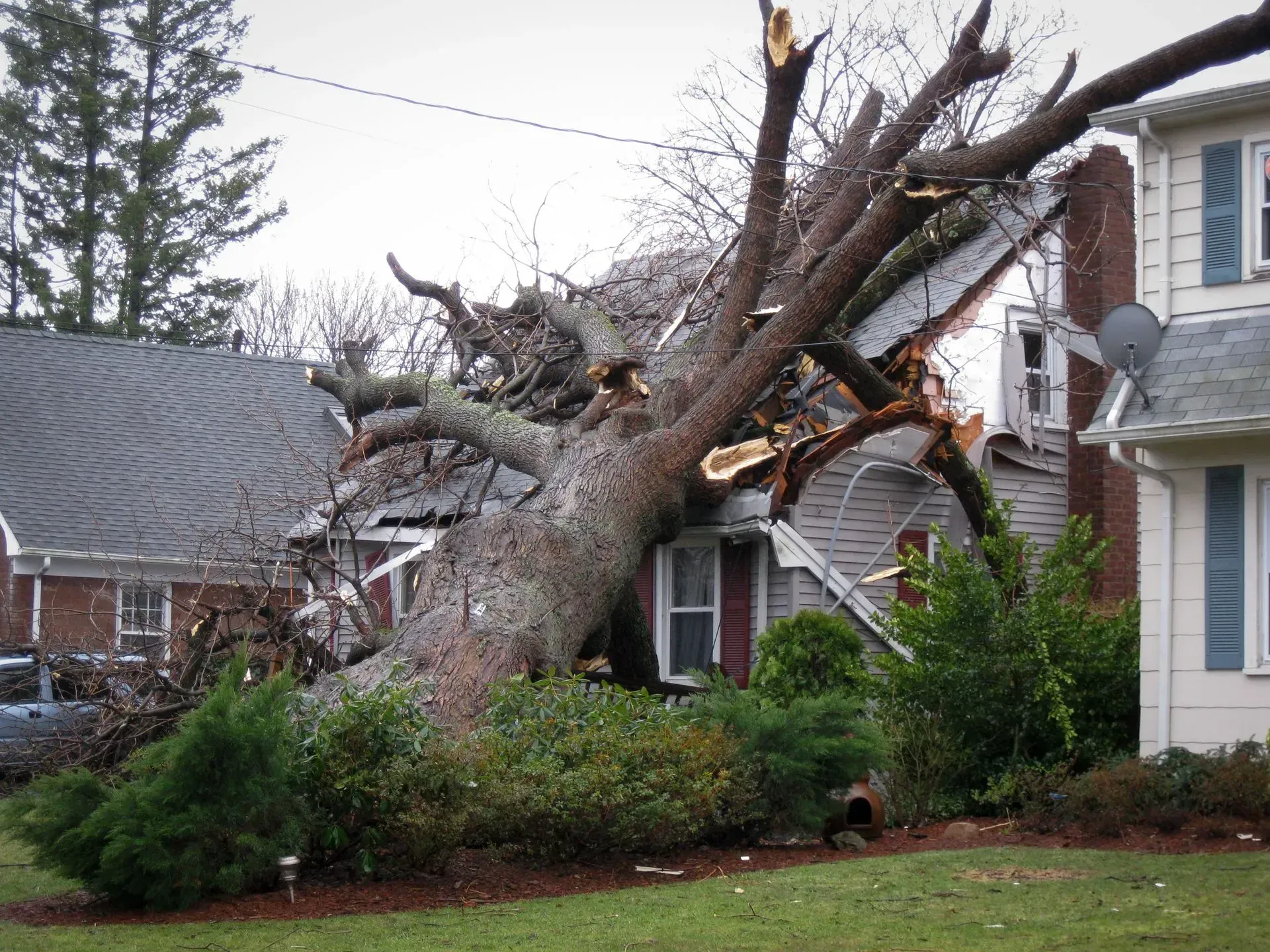
Table of Contents
- Introduction
- Step 1: Prioritize Safety Before Anything Else
- Step 2: Document All Visible Storm Damage
- Step 3: Take Temporary Protective Measures
- Step 4: Contact Your Homeowner's Insurance Company
- Step 5: Schedule a Professional Storm Damage Inspection
- Understanding Hail Damage Roof Repair in Sioux Falls
- What to Look for When Choosing a Storm Damage Contractor
- Conclusion
- Book a Storm Damage Repair Today
- Frequently Asked Questions
Key Takeaways
- Safety comes first: check for downed lines, gas leaks, and unstable structures.
- Document storm damage thoroughly with photos and videos.
- Notify your insurance company promptly; delays can affect claims.
- Licensed, local contractors can identify hidden hail or storm damage.
- Temporary protective measures prevent additional damage and are usually covered by insurance.
Introduction
After a severe storm hits Sioux Falls, knowing what to do next can feel overwhelming. Start with safety, then document home storm damage, contact your insurance company, and schedule a professional inspection before repairs begin. Following these steps in the right order protects your home and ensures a smooth insurance process.
South Dakota experiences hail, strong winds, and severe thunderstorms regularly. Sioux Falls homeowners often face storm damage to roofs, siding, gutters, and windows. Understanding
storm damage repair in Sioux Falls allows you to make informed decisions rather than rushed ones.
Step 1: Prioritize Safety Before Anything Else
Before inspecting your property or starting cleanup, confirm the environment is safe. Storms can leave hazards that are not immediately visible, and entering damaged areas too soon can put you at risk.
Hazards to Check for Immediately After a Storm
- Downed power lines: Do not touch any lines. Contact your utility provider and keep others away.
- Gas leaks: Smell gas? Leave immediately and call your gas provider safely.
- Structural instability: Avoid rooms with sagging ceilings, cracked walls, or compromised roofs.
- Standing water: Flooded areas may hide electrical hazards or debris.
- Broken glass and debris: Wear sturdy shoes when moving around storm-affected areas.
Once safe, you can start assessing visible home storm damage.
Step 2: Document All Visible Storm Damage
Documentation is critical before any cleanup. Insurance adjusters rely on photos and notes, and missing evidence can slow your claim.
How to Document Storm Damage
- Take clear photos and videos of the roof, siding, gutters, windows, and any interior damage.
- Capture wide shots for context and close-ups for details.
- Keep timestamps for photos; most smartphones automatically record them.
- Document personal property damage caused by water or debris.
- Retain broken materials like shingles or siding until the insurance adjuster reviews them.
Important: Only perform temporary repairs before an adjuster visits. Permanent repairs can affect your coverage.
Step 3: Take Temporary Protective Measures
Temporary actions prevent further home storm damage and are usually covered by insurance.
Common Temporary Measures
| Situation | Temporary Action |
|---|---|
| Damaged roof sections | Apply tarp or emergency shrink wrap |
| Broken windows/doors | Board up openings with plywood |
| Interior water intrusion | Use buckets, towels, and fans to limit moisture |
| Debris on roof/yard | Remove loose debris safely from the ground |
Keep receipts for materials or services used—they are typically reimbursable in insurance claims.
Step 4: Contact Your Homeowner's Insurance Company
After documenting damage and taking temporary measures, notify your insurance company promptly.
What to Have Ready
- Policy number
- Date and time of the storm
- Summary of observed damage with photos/videos
- Receipts for temporary repairs
Your insurer will assign an adjuster. Under a replacement cost policy, your home should be restored to its pre-storm condition, though timing and conditions vary. Review your policy carefully to understand coverage details.
Step 5: Schedule a Professional Storm Damage Inspection
A licensed contractor inspection ensures hidden damage, such as granule loss on shingles, is identified before it becomes a bigger issue.
Inspection Typically Covers
- Roof surface: missing or cracked shingles, damaged flashing
- Gutters and downspouts: dents, punctures, or detachment
- Siding: cracks, dents, or holes
- Windows/doors: cracks or damaged frames
- Interior spaces: water intrusion or moisture in attic/ceilings
A professional report supports your insurance claim and ensures all damage is accounted for.
Understanding Hail Damage Roof Repair in Sioux Falls
Hail damage roof repair is one of the most common storm repair needs in Sioux Falls. Hail can cause minor cosmetic issues or serious functional damage.
Hail Effects by Roofing Material
| Roofing Material | Common Damage Signs |
|---|---|
| Asphalt shingles | Granule loss, bruising, cracking |
| Metal roofing | Dents and dimpling |
| Wood shakes | Splits and fractures along grain |
| Flat/membrane | Punctures, surface tears, compromised seams |
Minor damage may need patching, but widespread granule loss often requires roof replacement. A licensed contractor can determine the best approach and provide documentation for home storm damage insurance claims.
What to Look for When Choosing a Storm Damage Contractor
Choose local, licensed contractors to ensure accountability and quality.
Key Factors
- Valid South Dakota license and insurance
- Local presence for easier follow-up
- Written estimates detailing labor, materials, and timeline
- Reasonable deposit, no full upfront payment
- Verified reviews and references
Avoid contractors pressuring you to sign immediately or claim full roof replacement without proper inspection.
Conclusion
Responding to home storm damage in Sioux Falls requires safety first, thorough documentation, temporary protective measures, prompt insurance notification, and professional inspection before permanent repairs. Following this process protects your home and ensures your insurance claim reflects the full scope of damage.
Book a Storm Damage Repair Today
If your Sioux Falls home has recently experienced hail, wind, or storm damage, schedule a professional assessment to understand your repair options. Contact Home Improvement Headquarters, a licensed, bonded, and insured general contractor with over 40 years of experience serving local homeowners. send us an email at brandenjohns@rocketmail.com or call us at (605) 413-5450 to learn more about our services.
Frequently Asked Questions
How soon should I contact my insurance company after storm damage?
Contact your insurer as soon as it is safe, ideally within 24–48 hours. Reporting delays may affect claim processing.
Can I make repairs before the insurance adjuster visits?
Temporary repairs like tarps or boarding windows are allowed. Permanent repairs should wait until the adjuster completes their inspection.
How do I know if my roof has hail damage if nothing is visible?
Look for granules in gutters, dents on vents or flashing, or soft spots on shingles. A professional contractor inspection is best.
What if the insurance estimate is lower than the contractor quote?
Provide the contractor’s written assessment to support a review or supplemental claim with your insurer.
How do I avoid storm damage repair scams in Sioux Falls?
Check licensing, insurance, and reviews. Avoid door-to-door solicitations, full upfront payments, and verbal-only agreements.
Related Posts