What Is Contingency in Construction and Why Is It Important

Table of Contents
- Introduction
- Understanding Contingency in Construction
- Definition of Construction Contingency
- Common Types of Contingency
- How Construction Contingency Funds Are Allocated
- Typical Percentage of Project Budget
- Factors Affecting Contingency Allocation
- The Role of Contingency in Project Budget Planning
- Anticipating Unforeseen Expenses
- Supporting Risk Management
- Maintaining Project Schedules
- Limitations and Considerations
- Contingency Is Not a Guarantee
- Monitoring and Adjusting the Contingency Fund
- Conclusion
- Book a General Contracting Service
- Frequently Asked Questions
Key Takeaways
- Contingency in construction is a budget reserve set aside to address unexpected project costs.
- Construction contingency funds help maintain financial stability and support project schedules.
- Contingency allocation is influenced by project complexity, uncertainty, and historical cost data.
- Effective use of contingency supports risk management but does not replace careful planning.
- Regular monitoring and adjustment of contingency funds can improve project transparency and decision-making.
Introduction
Contingency in
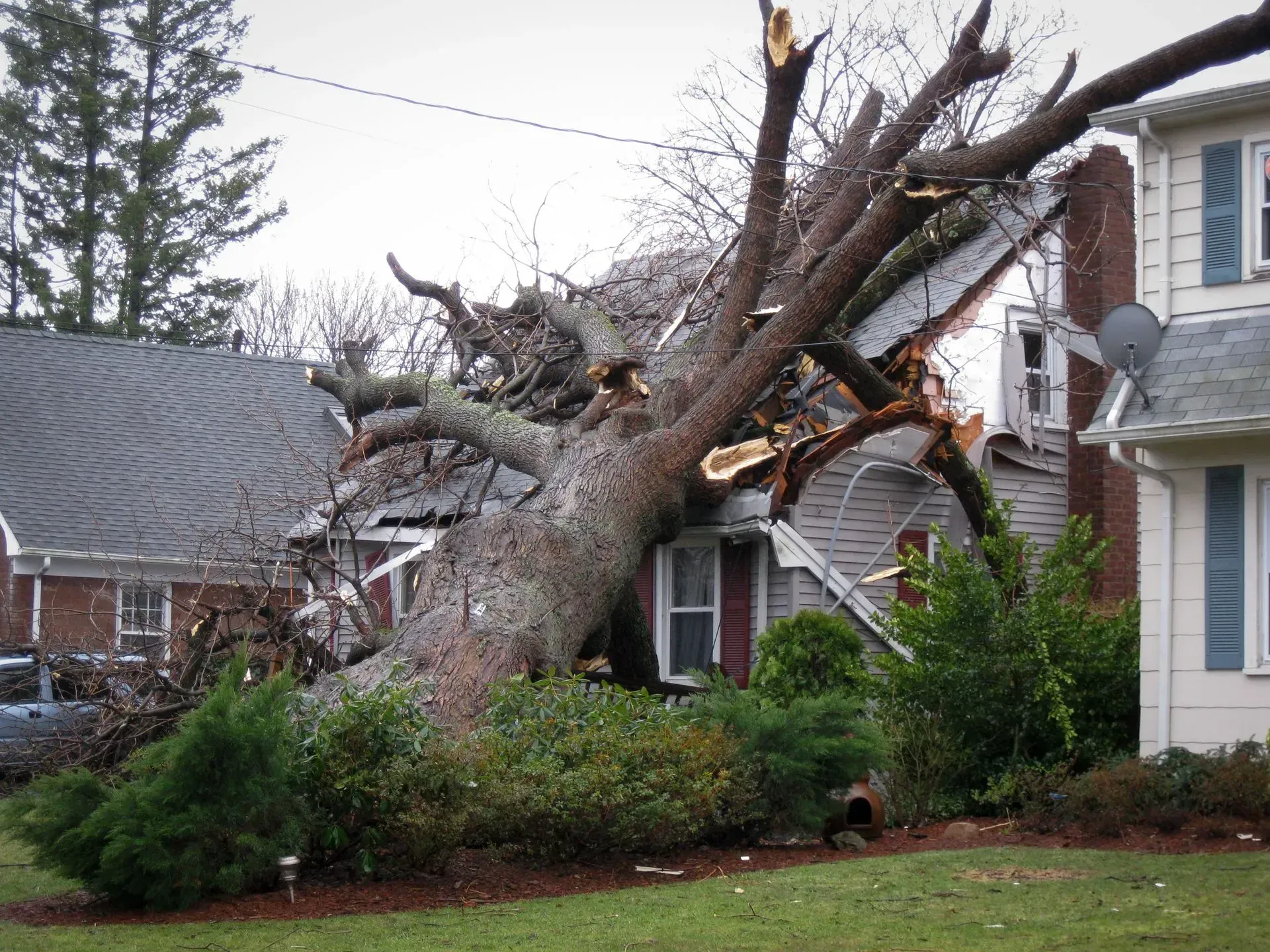
construction is a portion of a project’s budget reserved for unforeseen expenses that may arise during the building process. We consider it an essential element of responsible financial planning for homeowners, developers, and project managers. Construction projects often involve variables that are difficult to predict, such as material price fluctuations, weather delays, or unexpected site conditions. Understanding contingency allows us to plan effectively, allocate resources prudently, and make informed decisions throughout a project in Sioux Falls, SD.
Understanding Contingency in Construction
Definition of Construction Contingency
A construction contingency is a dedicated portion of the project budget that is reserved for unanticipated costs. Unlike line items for specific tasks, contingency is intentionally flexible, providing a financial buffer against uncertainties. Its purpose is not to inflate budgets but to maintain stability when projects encounter challenges that were not accounted for in initial estimates.
Common Types of Contingency
Construction contingency can be categorized in several ways:
- Design Contingency: Covers adjustments needed during the design or planning phase.
- Construction Contingency: Accounts for unexpected costs during the construction phase, such as material substitutions or labor delays.
- Owner’s Contingency: Set aside for project changes requested by the client or scope modifications.
Each type has a specific role and is often tracked separately to provide clear visibility into how funds are used.
How Construction Contingency Funds Are Allocated
Typical Percentage of Project Budget
While there is no universal rule, construction contingency typically ranges between 5% and 10% of the total project budget. For highly complex or uncertain projects, contingency allocations may be higher. The exact percentage depends on the nature of the work, level of detail in the design, and risk assessment.
Factors Affecting Contingency Allocation
Several factors influence how we allocate a construction contingency fund:
- Project Complexity: Multi-story additions or intricate remodeling projects often require a higher contingency due to technical uncertainties.
- Site Conditions: Unforeseen soil issues, drainage challenges, or environmental factors can increase costs.
- Material Market Fluctuations: Volatile prices for lumber, steel, or other construction materials can impact overall budgets.
- Contractor Experience and Historical Data: Projects with similar past experiences help estimate more accurate contingency amounts.
By considering these factors, we aim to allocate funds that are realistic and aligned with the level of risk inherent to the project.
The Role of Contingency in Project Budget Planning
Anticipating Unforeseen Expenses
A construction contingency fund allows us to anticipate and manage unexpected costs without compromising the quality or timeline of a project. For example, if hidden water damage is discovered during a basement remodel, having a contingency in place ensures funds are available to address the issue responsibly.
Supporting Risk Management
Contingency serves as a financial tool for risk management. It does not prevent problems but provides a structured way to address them. By integrating contingency planning into the project budget, we reduce the likelihood of delays, disputes, or funding shortfalls that could otherwise impact construction progress.
Maintaining Project Schedules
Unexpected issues can disrupt project schedules if they require additional work or resources. With a contingency fund, decisions can be made quickly, avoiding extended delays and keeping the project on track. This is particularly important for homeowners or developers balancing multiple timelines and commitments.
Limitations and Considerations
Contingency Is Not a Guarantee
It is important to recognize that a contingency fund does not guarantee that every unforeseen expense will be fully covered. Extremely rare or catastrophic events may exceed available contingency. Contingency should be understood as a planning tool rather than an insurance replacement.
Monitoring and Adjusting the Contingency Fund
Effective use of contingency requires ongoing monitoring. We track expenses carefully, adjust allocations when necessary, and maintain transparency with stakeholders. Overuse or misuse of contingency funds can compromise project integrity, while underutilization may indicate overly conservative budgeting. Regular review ensures the contingency remains relevant and useful throughout the project lifecycle.
Conclusion
In construction, contingency is a practical and responsible budget allocation that allows homeowners, developers, and project managers to navigate unforeseen costs with greater confidence. By understanding how contingency funds are determined, applied, and monitored, we support informed decision-making, manage financial risk, and maintain project schedules.
While contingency does not eliminate uncertainty, it provides a structured and transparent approach to managing it.
Book a General Contracting Service
If you are planning a construction project in Sioux Falls, SD, understanding contingency can help guide your budget and project planning. Contact Home Improvement Headquarters to discuss general contracting services, project budget planning, and ways to integrate contingency into your next build.
For guidance on hiring a general contractor or understanding project planning, send us an email at
brandenjohns@rocketmail.com or call us at
(605) 413-5450 to learn more about our services.
Frequently Asked Questions
How much contingency should I include in my construction budget?
While 5–10% of the total project budget is typical, the exact amount depends on project complexity, site conditions, and potential risks.
Can contingency funds be used for planned changes?
Contingency is generally reserved for unanticipated costs. Planned changes are typically budgeted separately, though an owner’s contingency may cover small scope adjustments.
Is contingency the same as a reserve fund?
Contingency specifically addresses unforeseen construction costs, whereas reserve funds may cover long-term maintenance or future repairs.
How do contractors track the use of contingency funds?
We maintain detailed records of expenses, categorizing each use of contingency to ensure transparency and accountability.
Does having a contingency fund mean a project will stay on budget?
While contingency helps manage unexpected costs, it does not guarantee adherence to the original budget. It provides a financial buffer to handle challenges responsibly.
Related Posts