Why Home Additions Are the Smartest Way to Create Multi-Generational Living Space
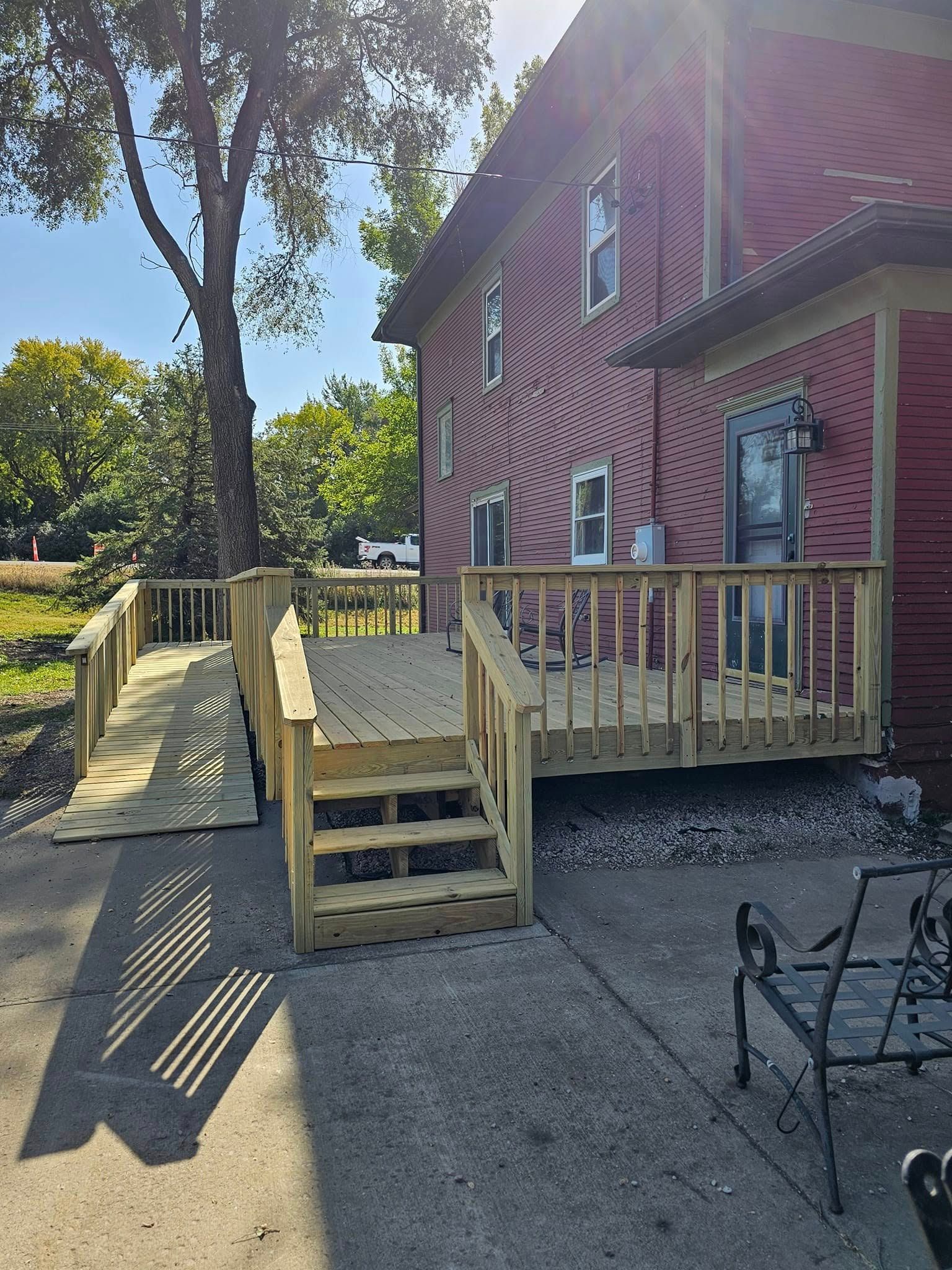
Table of Contents
- Why Consider Home Additions?
- Planning Your Ideal Multi-Generational Living Space
- Design Essentials for a Comfortable Home Addition
- Layout Strategies for Privacy and Flow
- Boosting Property Value with Expert Home Addition Services
- Overcoming Common Challenges
- Conclusion
Key Takeaways
- Thoughtful home additions can transform your home to meet the needs of multiple generations without compromising comfort.
- A well-planned multi-generational living space balances privacy, functionality, and family harmony.
- Investing in professional home addition services ensures long-lasting value and peace of mind.
Why Consider Home Additions?
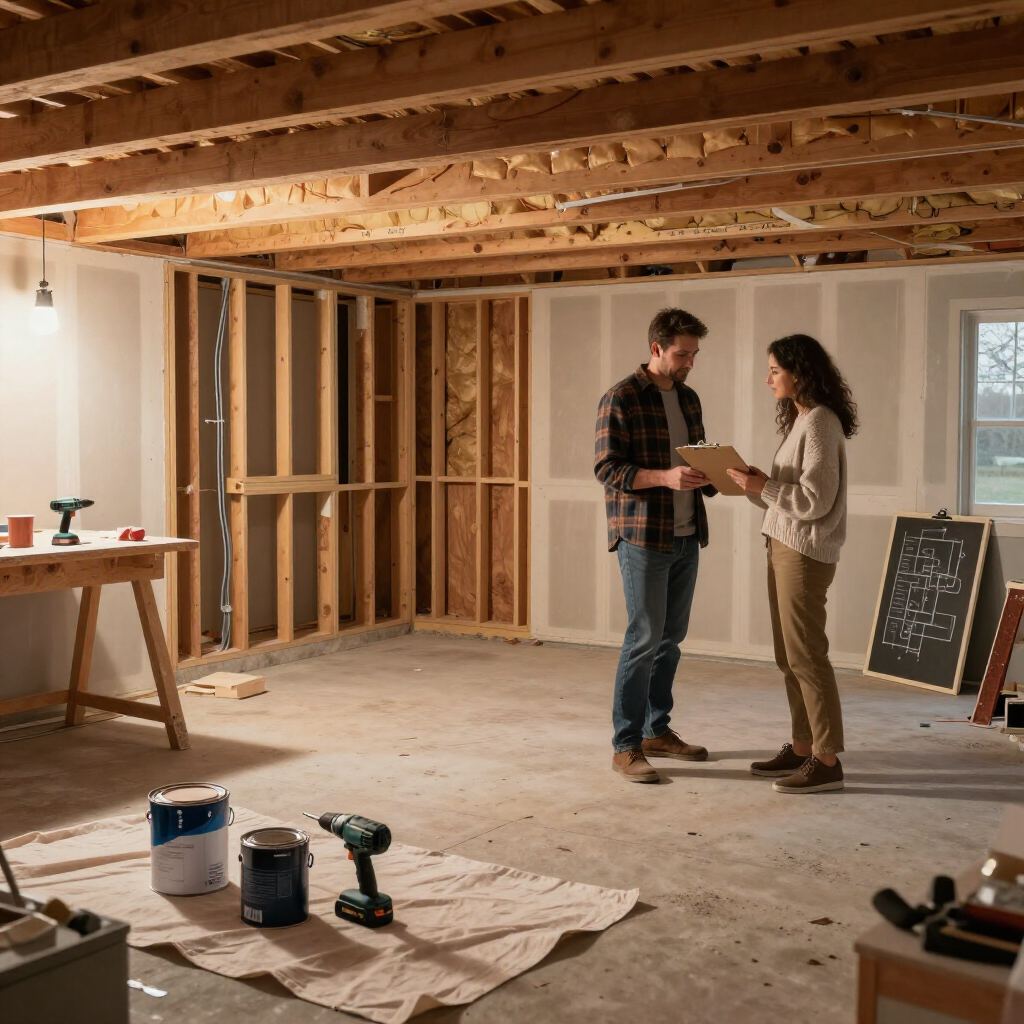
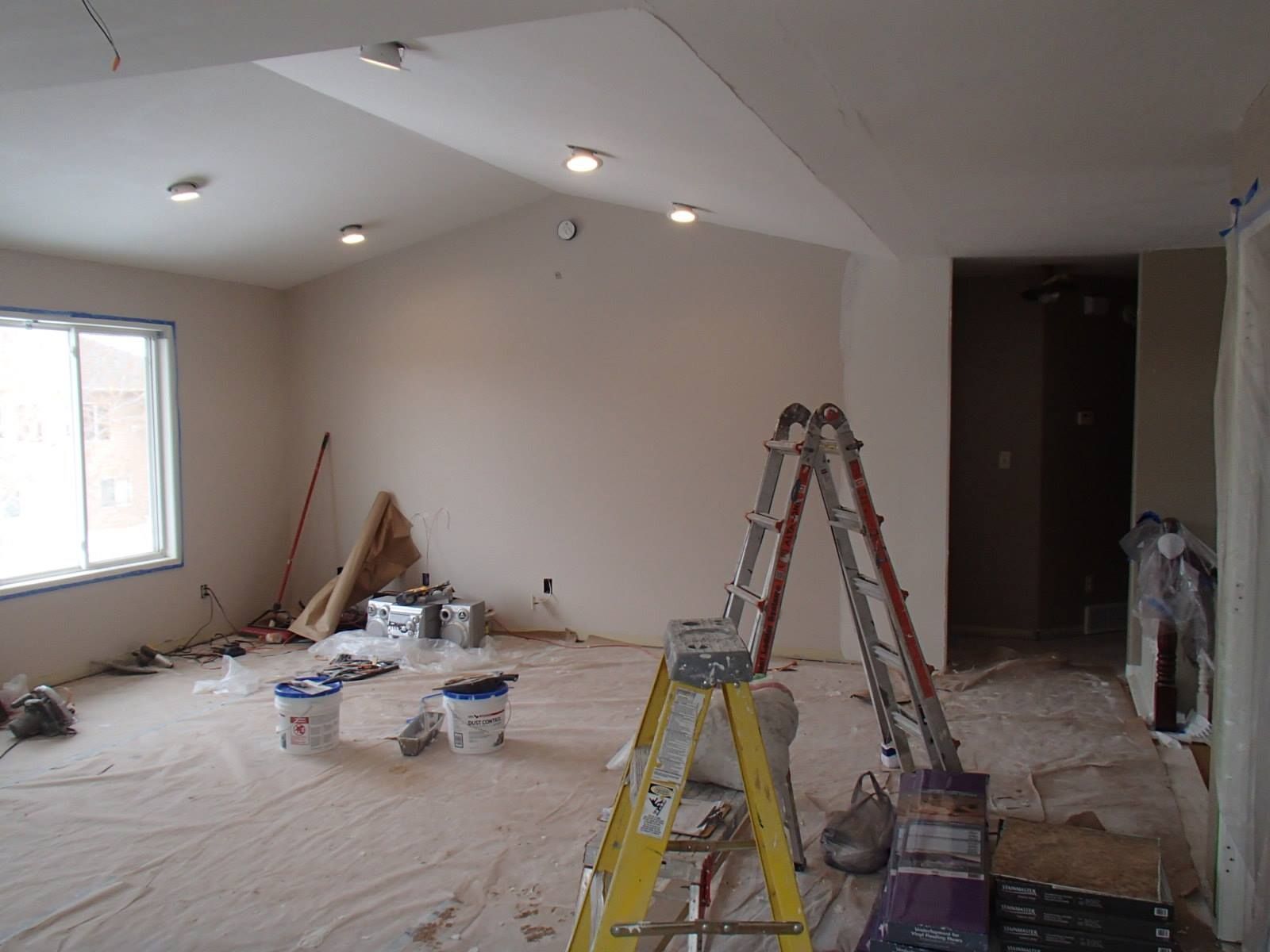
Over the years, we’ve noticed more families choosing to live together under one roof. Whether it’s grandparents moving in, adult children returning home, or accommodating a growing family, the need for space has never been more critical. That’s where home additions come into play. They’re not just about adding square footage—they’re about creating a home that grows with you while providing a practical and comfortable multi-generational living space.
We’ve worked on homes where a carefully planned multi-generational living space turned a cramped house into a thriving family hub. One of our clients had three generations under one roof and struggled with morning traffic jams: everyone vying for a bathroom or trying to find a quiet spot to work from home. After a thoughtful home addition, including a private suite with its own kitchenette and bathroom, life became smoother. The family could maintain independence while staying connected.
The beauty of
home addition services is that they’re flexible. You’re not just accommodating your current needs; you’re future-proofing your home. Whether it’s adding a separate wing, a basement suite, or a second-story expansion, these additions can evolve as your household does.
Planning Your Ideal Multi-Generational Living Space
Before hammers hit nails, planning is everything. A successful multi-generational living space requires understanding the unique needs of everyone who will use it. We start by asking a few key questions:
- How many people will live there?
- What level of independence does each family member need?
- Are mobility or accessibility concerns a factor?
By answering these, we can design a home addition that feels natural, rather than tacked on.
Consider these practical tips when planning:
- Private zones matter. Families thrive when bedrooms, bathrooms, and even small living areas give each generation a space to call their own.
- Shared spaces require thought. Kitchens, living rooms, and dining areas should feel welcoming, not overcrowded. We’ve found that an open-concept design with strategic partitions balances togetherness and privacy beautifully.
- Accessibility isn’t optional. Wider doorways, easy-to-navigate hallways, and even subtle ramps can make a huge difference for elderly family members or those with mobility challenges.
We remember a project where a client wanted their elderly parents to move in, but the main house had steep stairs. By designing a single-level addition with a private entrance, accessible bathroom, and small kitchenette, the parents could maintain independence while being close enough to join family dinners or weekend activities.
Planning carefully saves headaches down the road. A well-thought-out home addition ensures that everyone feels comfortable, valued, and independent.
Design Essentials for a Comfortable Home Addition
Design is where functionality meets style. A successful home addition should blend seamlessly with your existing home while meeting the unique needs of a multi-generational living space.
Here’s what we focus on in our designs:
- Cohesive architecture: Matching the exterior style maintains curb appeal. One of our favorite transformations was an older suburban home where we added a modern suite at the back. By mirroring rooflines and using complementary siding, it looked like it had always belonged.
- Noise control: Soundproofing walls and floors, or using strategic furniture placement, keeps everyone’s routines from clashing. Teenagers can enjoy music, parents can work from home, and grandparents can relax—all without stepping on each other’s toes.
- Independent utilities: Adding separate HVAC zones, laundry areas, or even small kitchenettes can make life more manageable. In one project, a family needed their adult child to live independently while still contributing to household life. Installing a mini-kitchen and private laundry area in the new wing solved this beautifully.
We also emphasize natural light and ventilation in every home addition. A bright, airy space instantly feels inviting and reduces the risk of cramped, stressful living conditions.
Layout Strategies for Privacy and Flow
Once the design is set, the layout becomes critical. A great multi-generational living space balances togetherness with privacy, ensuring that no one feels crowded or isolated.
Here are some strategies we’ve seen work consistently:
- Separate sleeping areas: Position bedrooms for different generations at opposite ends of the house, or create distinct wings to reduce interruptions.
- Dual bathrooms: Adding at least one bathroom per generation cuts down on morning chaos. In a recent project, a family of six now starts their days without anyone waiting for more than five minutes.
- Smart communal spaces: A shared kitchen and living area can be the heart of the home, but careful design ensures it doesn’t become a bottleneck. Using islands, flexible dining layouts, or even double sinks keeps traffic flowing smoothly.
Small touches can make a big difference. For instance, installing pocket doors in hallways or sliding partitions in living areas provides flexibility without sacrificing style. It’s these details that turn a home addition from functional to truly comfortable.
Boosting Property Value with Expert Home Addition Services
Investing in home addition services is not just about immediate comfort—it’s also a smart financial decision. A well-designed multi-generational living space can significantly increase your home’s value.
We’ve worked with clients who were initially focused on family needs but later realized that their home additions became a strong selling point. Prospective buyers are drawn to homes that offer flexibility: space for aging parents, adult children, or even a home office.
Tips to maximize ROI:
- Match materials: Using consistent siding, roofing, and finishes ensures the addition doesn’t feel disconnected from the original home.
- Energy efficiency: Separate HVAC zones, updated insulation, and energy-efficient windows appeal to modern buyers.
- Consider future adaptability: Spaces that can evolve—like a basement suite that doubles as a rental unit—add financial and functional value.
When done right, home addition services pay dividends both in lifestyle improvement and property value. One of our clients even told us their addition “feels like a new home without ever leaving the old one.” That’s exactly the kind of transformation we aim for.
Overcoming Common Challenges
Of course, home additions come with their share of hurdles. Zoning laws, permits, budget constraints, and architectural integration can all complicate projects. But with careful planning and the right team, these challenges are manageable.
Here’s how we help families navigate the tricky parts:
- Permitting and zoning: We handle local regulations so our clients don’t have to stress over code compliance.
- Budget management: Prioritizing needs vs. wants and phasing projects keeps costs under control without sacrificing quality.
- Seamless integration: Experienced professionals ensure that the addition flows with the existing home rather than feeling like a patchwork.
We remember a suburban family who wanted to add a second-floor suite. Local zoning rules limited the footprint. By creatively redesigning the layout, we created a suite with a private entrance and kitchen, all while staying within legal requirements.
Everyone was thrilled with the results, and no compromise on comfort was needed.
Conclusion
Creating a multi-generational living space with home additions is more than a construction project—it’s an investment in your family’s quality of life. Thoughtful planning, smart design, and careful layout can transform a house into a home where everyone feels at ease, connected, and independent.
At Home Improvement Headquarters, we specialize in home addition services that make these transformations possible. We understand that every family has unique needs, and we work closely with you to create spaces that enhance lifestyle, functionality, and long-term value.
Ready to explore how a home addition can change your home for the better? Visit our us to learn more or
contact us directly. Let’s bring your vision of a perfect multi-generational living space to life.
Frequently Asked Questions
What are the benefits of home additions for our family?
We find that home additions give us extra space for everyone, improve privacy, and create a comfortable multi-generational living space. They let us adapt our home to current needs while adding long-term value.
How do we plan a multi-generational living space effectively?
We start by assessing everyone’s needs, from private zones to shared spaces. Careful planning ensures our home addition balances independence, accessibility, and togetherness for all generations.
Can home addition services increase our property value?
Absolutely. By investing in professional home addition services, we enhance our home’s functionality, curb appeal, and adaptability, which boosts its value and makes it more appealing to future buyers.
How do we ensure privacy in a multi-generational living space?
We create separate wings, dual bathrooms, and smart layouts. Thoughtful design ensures that everyone can enjoy personal space without feeling disconnected from family activities.
Are home additions adaptable for future family needs?
Yes. We design additions to evolve with our family, whether adding extra bedrooms, a basement suite, or flexible living areas, making our home ready for changing needs over time.
Related Posts